Why Risk Assessment is Your Greatest Competitive Advantage
In the fast-paced world of modern business, it is easy to view risk assessment as a bureaucratic hurdle—a box to be ticked to satisfy insurance requirements or regulatory bodies. However, industry leaders know better. Effective risk assessment is not merely about avoiding accidents; it is about creating a predictable, stable, and high-performing operational environment. According to the International Labour Organization (ILO), over 2.78 million workers die each year from occupational accidents and work-related diseases. When you analyze that data, the vast majority of these incidents are preventable through robust, systematic risk management.
The Five Pillars of a Practical Risk Assessment
To move from compliance to a true culture of safety, follow this structured approach:
- Identify Hazards: Walk your workplace with fresh eyes. Don't just look at heavy machinery; consider ergonomic risks, mental health stressors, and remote working environments.
- Decide Who Might Be Harmed: Consider not just full-time employees, but contractors, visitors, and members of the public.
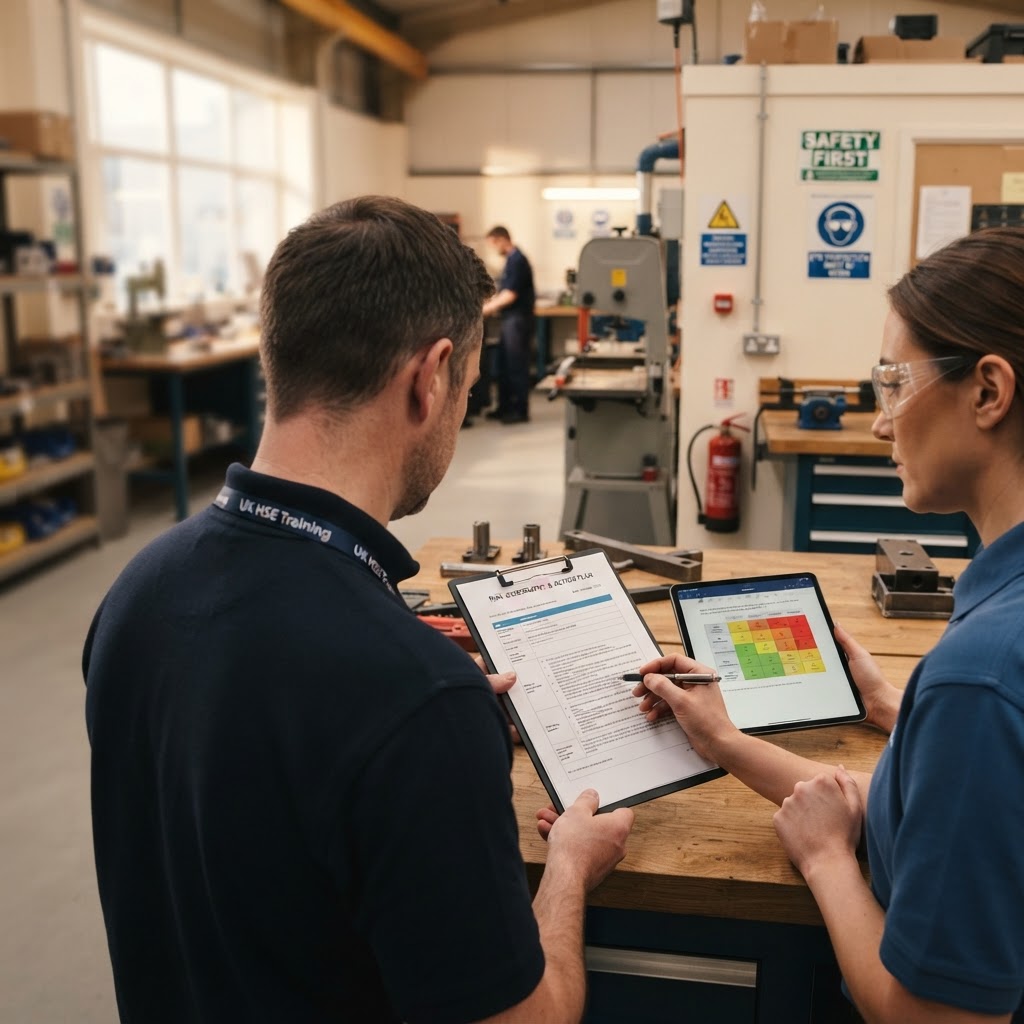
- Evaluate Risks and Decide on Precautions: Use the likelihood-versus-severity matrix to prioritize your efforts.
- Record Your Findings: Documentation is not just for the auditors; it serves as a historical reference for future safety planning.
- Review and Update: A static document is a useless document. Update your assessment whenever new equipment, processes, or personnel changes occur.
Real-World Application: Moving from Paper to Practice
Consider a logistics firm that recently switched to a new automated packing system. A simple paper-based assessment might identify the obvious 'moving parts' hazard. A proactive assessment, however, looks at how the operator interacts with the machine at 3:00 AM on a Tuesday. By observing the workflow, the team identifies that the emergency stop button is obstructed by a standard storage bin. This simple observation—made during a live walk-through—prevents a potential catastrophe. Practical tips for your team include: Always involve frontline workers in the assessment process; they hold the most accurate knowledge of day-to-day risks.
The Role of Psychological Safety
Modern risk assessment must transcend physical hazards. Stress, burnout, and harassment are significant workplace risks that impact productivity and retention. Include 'human factors' in your assessments to ensure that your safety net covers mental wellbeing just as effectively as it covers chemical spills or electrical hazards.
Your Next Step Toward Excellence
Safety is a journey, not a destination. If your current approach feels like it is stuck in the past, or if your team lacks the confidence to identify and mitigate risks effectively, it is time for professional intervention. At our core, we believe that safety training is the investment that yields the highest return on your human capital. Ready to elevate your standards? Explore our comprehensive range of Health & Safety training programs today and empower your team to take ownership of their environment. Contact us to schedule a consultation.


