The Power of Being Prepared
In the blink of an eye, a routine morning in the office or a standard afternoon at a construction site can transform into a high-stakes emergency. Whether it is a colleague experiencing a cardiac event or a serious workplace injury, the moments immediately following an accident are the most critical. Research by the Red Cross indicates that proper first aid training can significantly increase survival rates, yet many professionals rely on the hope that 'someone else will know what to do.' Being that person is not just a responsibility; it is a life-saving capability.
Understanding the 'Golden Hour'
In emergency medicine, the 'Golden Hour' refers to the period during which prompt medical treatment is most likely to prevent death or long-term disability. Your intervention acts as the essential bridge between the onset of an emergency and the arrival of professional paramedics. Proper training teaches you to assess the scene, call for professional help, and provide stabilizing care, which can be the difference between a full recovery and a permanent injury.
Practical Steps for Workplace Safety
- Scene Assessment: Always prioritize your safety before helping others. A secondary victim helps no one.
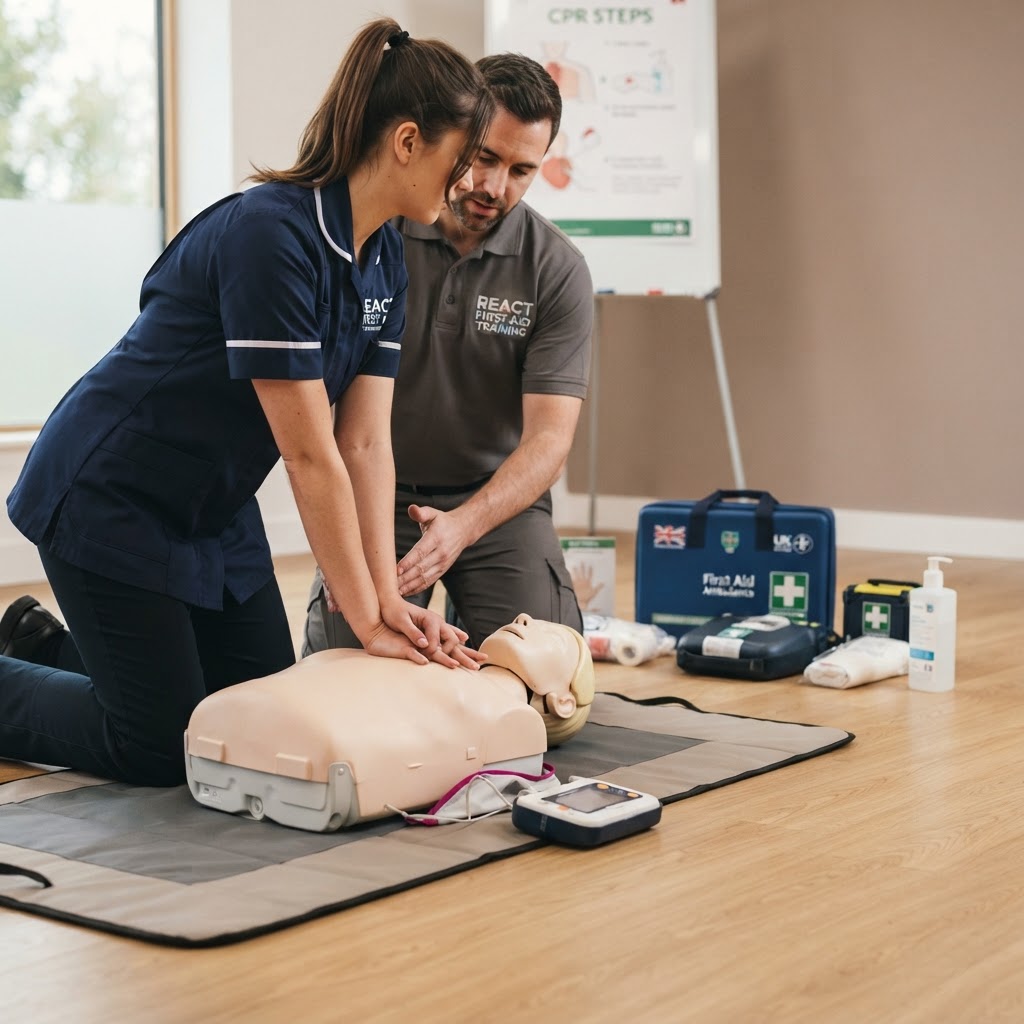
- CPR Proficiency: Hands-only CPR has simplified life-saving techniques, making it easier than ever to maintain blood flow to the brain until help arrives.
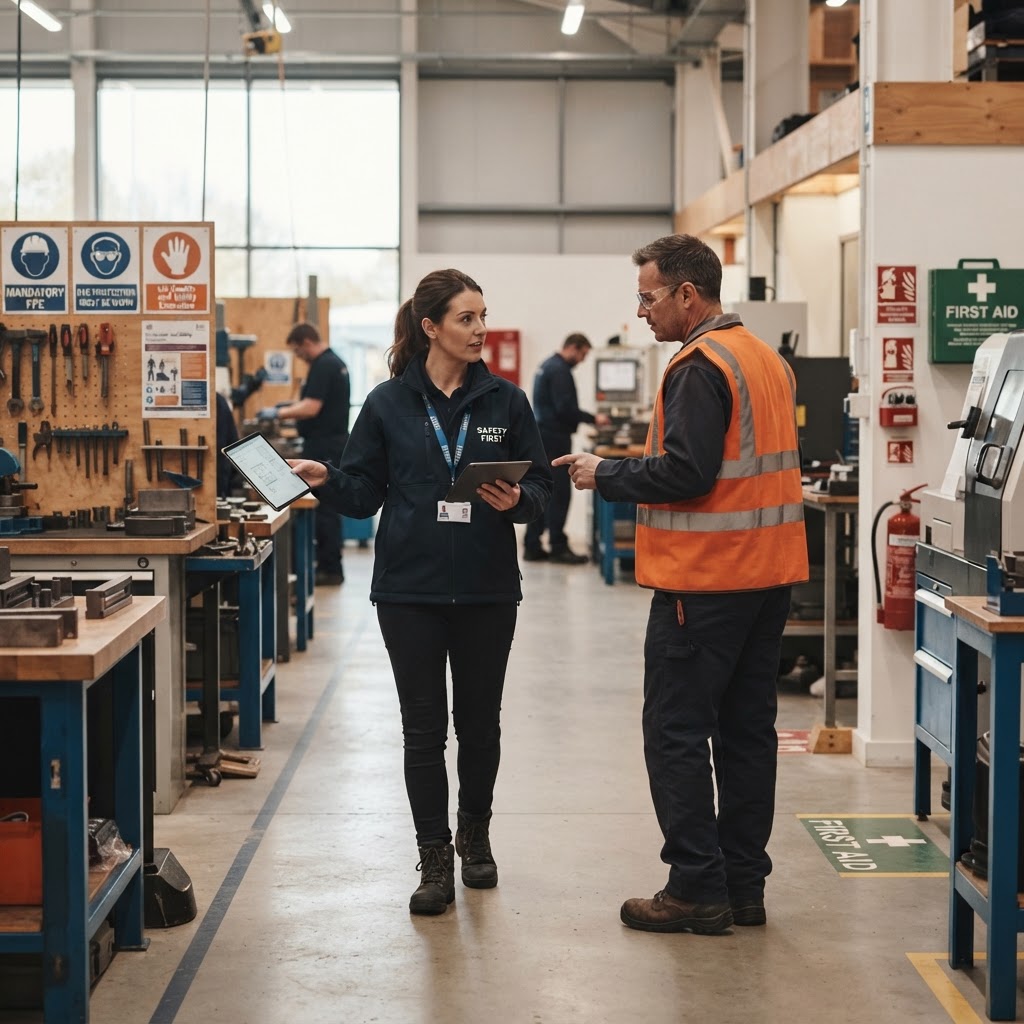
- Bleeding Control: Understanding how to apply direct pressure or a tourniquet is a vital skill for industries involving heavy machinery or tools.
- AED Literacy: Automated External Defibrillators are becoming standard in modern offices. Knowing how to operate one can triple a victim’s chance of survival.
The Psychological Impact of Training
Beyond the technical skills, first aid training provides an incredible psychological boost: confidence. When an emergency happens, the 'freeze response' is a natural human reaction. Regular, hands-on training conditions your brain to bypass that panic. By practicing scenarios—such as managing an airway obstruction or treating a burn—you develop a muscle memory that takes over when the adrenaline hits. This calm demeanor often dictates the success of the entire emergency response.
Real-World Impact: A Case for Certification
Consider a scenario where an office manager notices a coworker clutching their chest. Without training, the manager might panic or wait for an ambulance that is ten minutes away. With certification, the manager knows to initiate CPR, deploy the workplace AED, and provide clear information to dispatchers. Statistics show that the immediate initiation of bystander CPR can double or even triple the chance of survival for victims of sudden cardiac arrest. This is not just theoretical; it is a measurable contribution to a safer corporate culture.
Invest in Your Team Today
First aid training is not merely a box to tick for compliance; it is a core competency for any responsible professional. It fosters a culture of care, mitigates workplace risk, and equips your staff with the resilience needed to handle the unexpected. At our training center, we specialize in high-impact, hands-on courses designed to fit your busy schedule. Do not wait for a crisis to discover your limits. Contact us today to schedule your team’s certification session and gain the skills that save lives.