The Anatomy of Preparedness
When the fire alarm blares or a medical crisis unfolds, the difference between chaos and control is almost always found in the preparation that occurred months prior. In high-pressure situations, the human brain often reverts to 'freeze' mode. Professional emergency response training bridges the gap between panic and procedural action, ensuring that your team reacts with muscle memory rather than hesitation.
The Stakes are Higher Than You Think
According to the Occupational Safety and Health Administration (OSHA), thousands of workplace injuries occur annually that could be mitigated with faster, more efficient emergency protocols. Consider these facts: quick access to an Automated External Defibrillator (AED) can increase survival rates for cardiac arrest by up to 50%, and workplaces with well-drilled evacuation plans report 30% fewer injuries during building emergencies. Investing in safety isn't just about regulatory compliance; it is a direct investment in your most valuable asset—your people.
3 Pillars of a Robust Emergency Plan
1. Beyond the Evacuation Map
Most offices have maps on the wall, but do your employees know how to act during an active threat or a power grid failure? True preparedness involves 'All-Hazards' training. This includes identifying specific risks—such as chemical spills, severe weather, or cybersecurity breaches—and mapping out clear, distinct paths for each scenario.
2. Empowering the First Responders
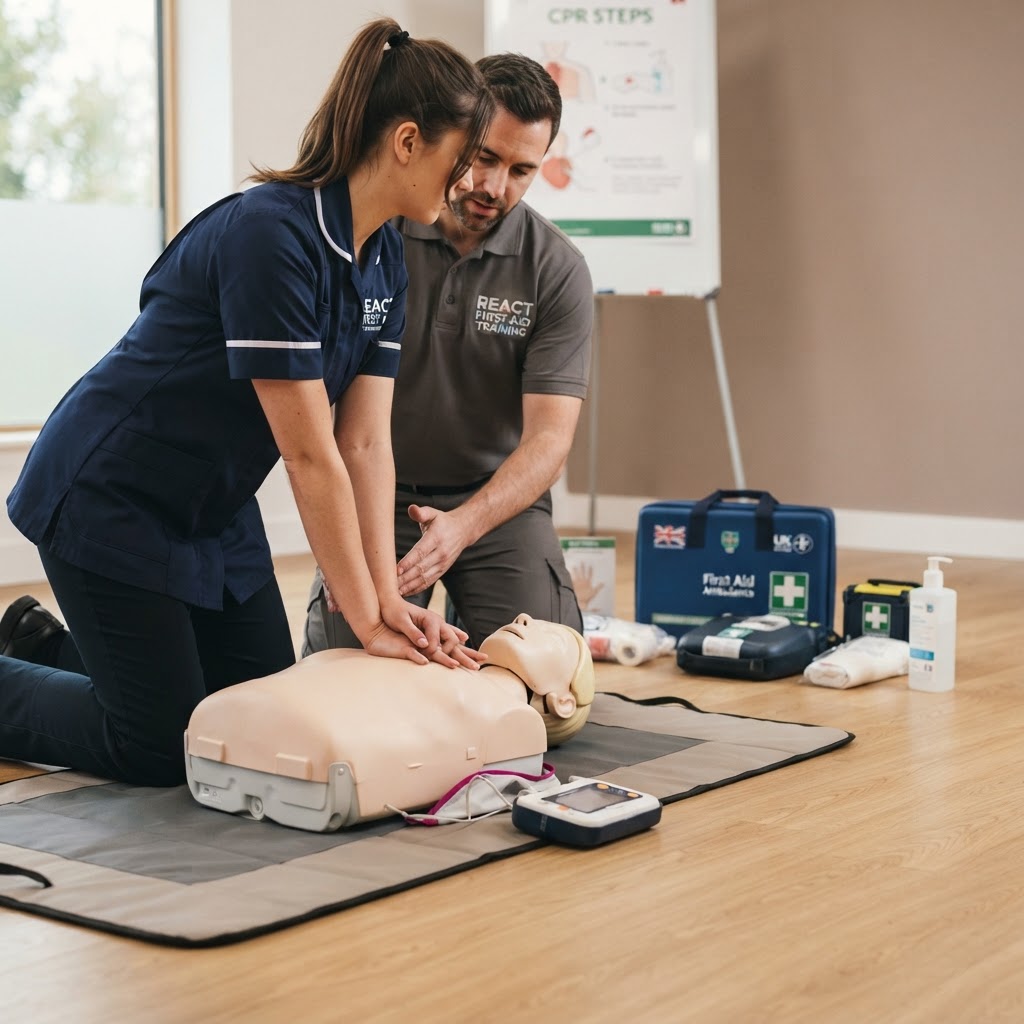
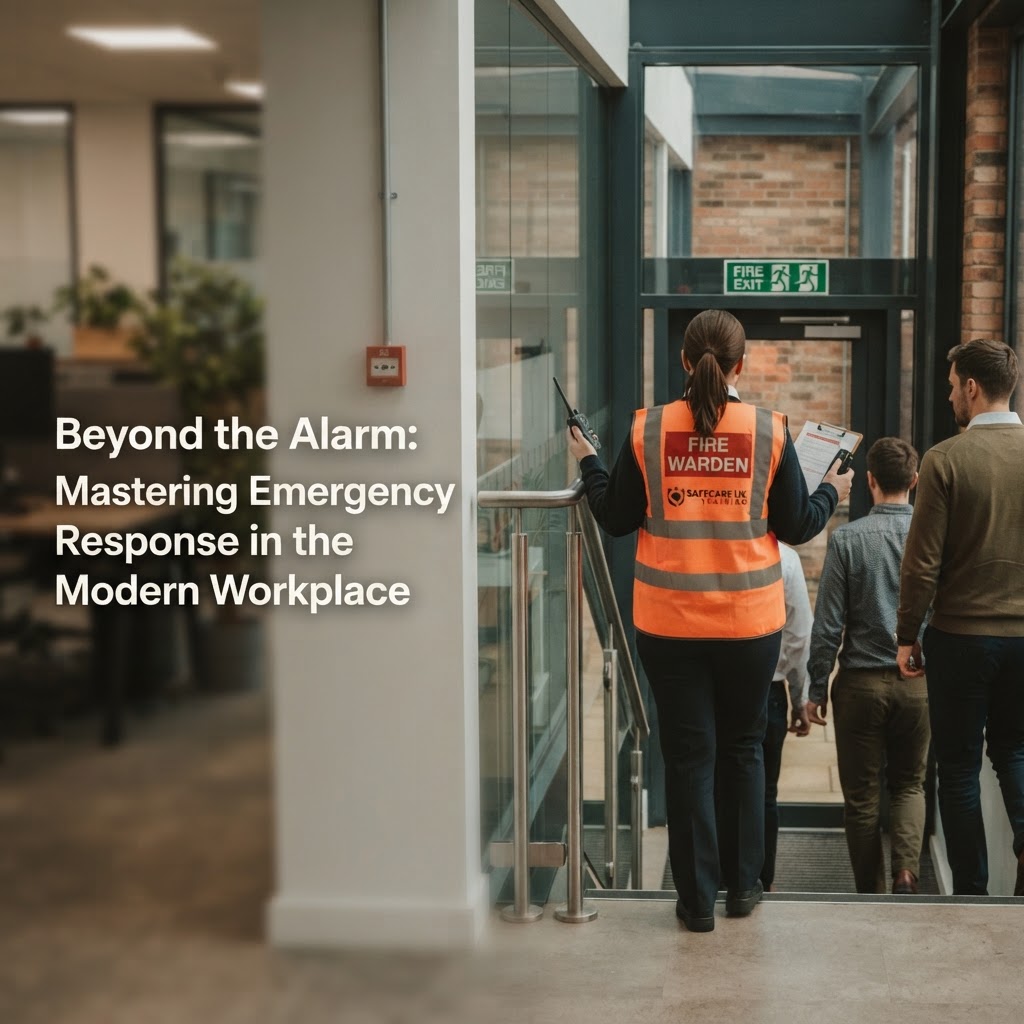
Your internal safety committee is your first line of defense. By training designated 'Floor Wardens' in advanced First Aid, CPR, and de-escalation techniques, you create a buffer zone of safety that persists until emergency services arrive. Practical, hands-on simulations are vital; reading a manual is never a substitute for physically practicing a triage exercise.
3. The Communication Loop
Communication often breaks down when the internet goes down. Establish a 'low-tech' communication plan. Do your employees know where the physical meeting point is? Do they have a designated person responsible for checking the roll call? A redundant communication system ensures that everyone is accounted for, leaving no one behind in the scramble.
Real-World Application: The Power of Drills
The most successful companies treat drills not as a 'tick-box' exercise, but as a performance review. After every drill, conduct a debrief. Ask the hard questions: Where was the bottleneck? Was the emergency lighting sufficient? Did the internal notification system work across all departments? Real-world application teaches us that emergency plans are living documents that must evolve alongside your business structure.
Taking the Next Step
Emergency response is not an inherent trait; it is a skill set that must be cultivated, practiced, and refined. Don't wait for a crisis to discover the gaps in your safety framework. At our training facility, we specialize in transforming workplace cultures through immersive, expert-led emergency response workshops. Contact our team today to schedule a site safety assessment and empower your employees with the confidence to handle the unexpected. Because when it comes to safety, the best time to train was yesterday—the second best time is today.