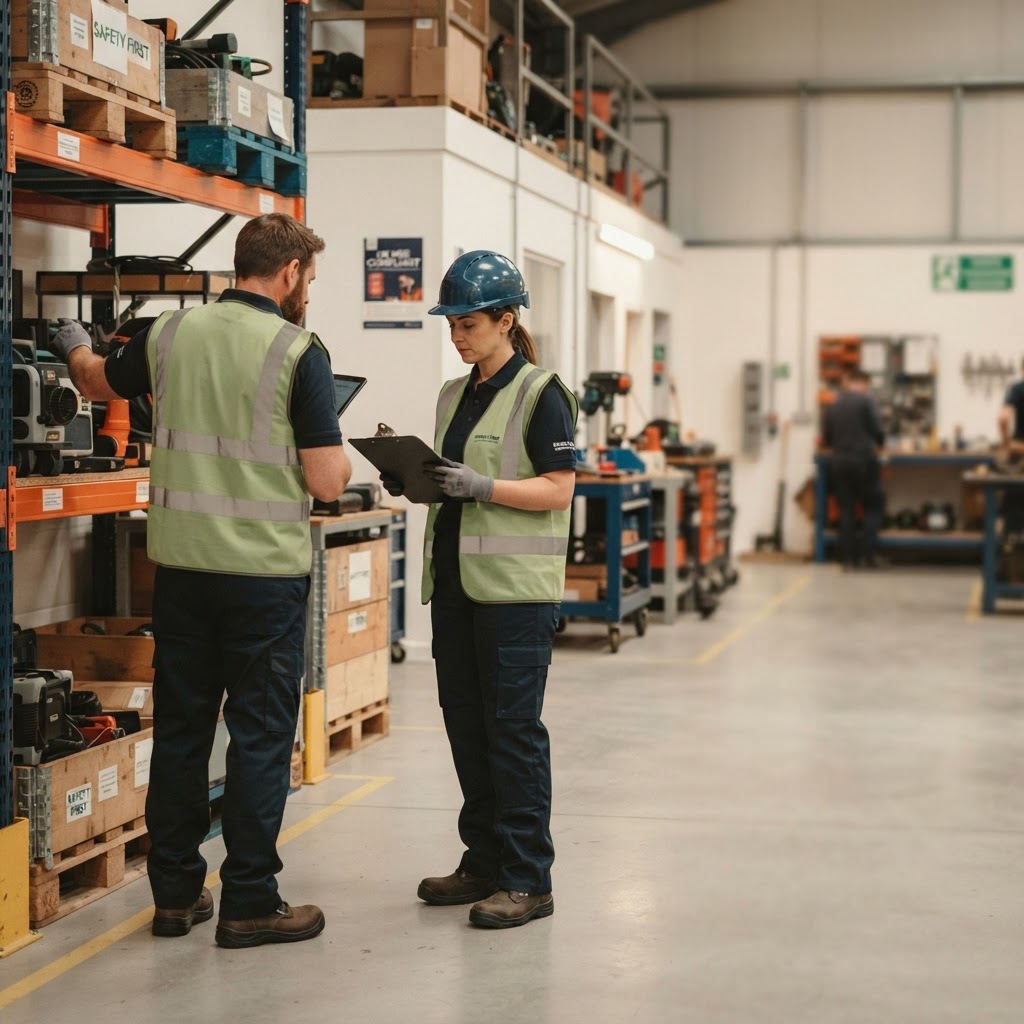
Mastering Manual Handling: Essential Tips for Safety in the Workplace
In today’s fast-paced work environment, manual handling tasks are inevitable. From lifting boxes in a warehouse to moving furniture in an office, manual handling is an integral part of many job descriptions. However, improper manual handling can lead to serious workplace injuries, affecting not only the individual’s health but also the overall productivity of the organization. With an estimated 300,000 cases of musculoskeletal disorders (MSDs) reported annually in the UK alone due to poor manual handling, it’s high time we prioritize effective training and techniques.
Understanding Manual Handling Risks
Before we delve into the best practices for manual handling, it’s essential to understand the risks associated with improper techniques. Statistics reveal that:
- Over 60% of all workplace injuries in the UK are related to manual handling.
- MSDs account for almost 40% of all work-related health issues reported in the UK.
- The average cost of a work injury resulting from manual handling is estimated at £6,000, including compensation and rehabilitation.
These numbers underscore the importance of effective manual handling training programs by equipping your workforce with the skills to lift safely and efficiently.
Practical Tips for Safe Manual Handling
Implementing effective manual handling techniques can significantly reduce the risk of injury. Here are some practical tips:
1. Assess the Load
Before attempting to lift or move an object, always assess the load. Consider the following factors:
- Weight: Is it something you can lift alone, or do you need assistance?
- Shape: Is the object awkwardly shaped, or does it have handles?
- Size: Can you see over the load while carrying it?
For example, if you are tasked with moving large boxes, seek assistance or use equipment like trolleys or forklifts to minimize risk.
2. Use Correct Lifting Techniques
Using proper lifting techniques can prevent injuries. Follow these steps for a safe lift:
- Stand close to the object with your feet shoulder-width apart.
- Bend at your knees, not your back, to lower yourself to the load.
- Get a good grip with both hands.
- Keep your back straight and lift using your legs, not your back.
- Hold the load close to your body to reduce strain on your back.
Consider a scenario in a warehouse where an employee consistently uses proper lifting techniques to move heavy boxes. Over time, this employee would likely experience less back pain and fatigue compared to a colleague who lifts improperly.
3. Plan Your Route
Before moving a load, it’s crucial to plan your route. Ensure the pathway is clear of obstacles, spills, or hazards that could cause you to trip or lose your balance. Communicate with coworkers if you need to navigate through congested areas. For instance, in an office setting, if you’re moving furniture, ensure that your colleagues are notified to avoid sudden confrontations in tight spaces.
4. Take Breaks and Rotate Tasks
Even with proper techniques, repetitive manual handling tasks can burden your muscles and joints. Encourage regular breaks and rotate tasks among team members to minimize repetitive strain injuries. If you work in a warehouse, you might consider implementing a system where employees switch tasks every couple of hours to reduce the risk of fatigue-related injuries.
The Importance of Training
While practical tips can aid in safety, nothing beats formal training. Investing in manual handling training not only educates employees on proper techniques but also demonstrates a commitment to their health and safety. A well-structured training program can lead to significant reductions in workplace injuries and related costs.
Conclusion: Prioritize Manual Handling Training
Manual handling is a skill that requires understanding, practice, and ongoing education. By employing effective techniques, planning routes, and prioritizing staff training, organizations can create a safer workplace and promote employee well-being. Don’t wait for an accident to happen—ensure your team is equipped with the knowledge they need to handle tasks safely.
Ready to enhance your manual handling procedures? Contact us today to learn about our comprehensive training programs tailored to your workplace needs. Let’s work together to create a safer, more productive environment for everyone!