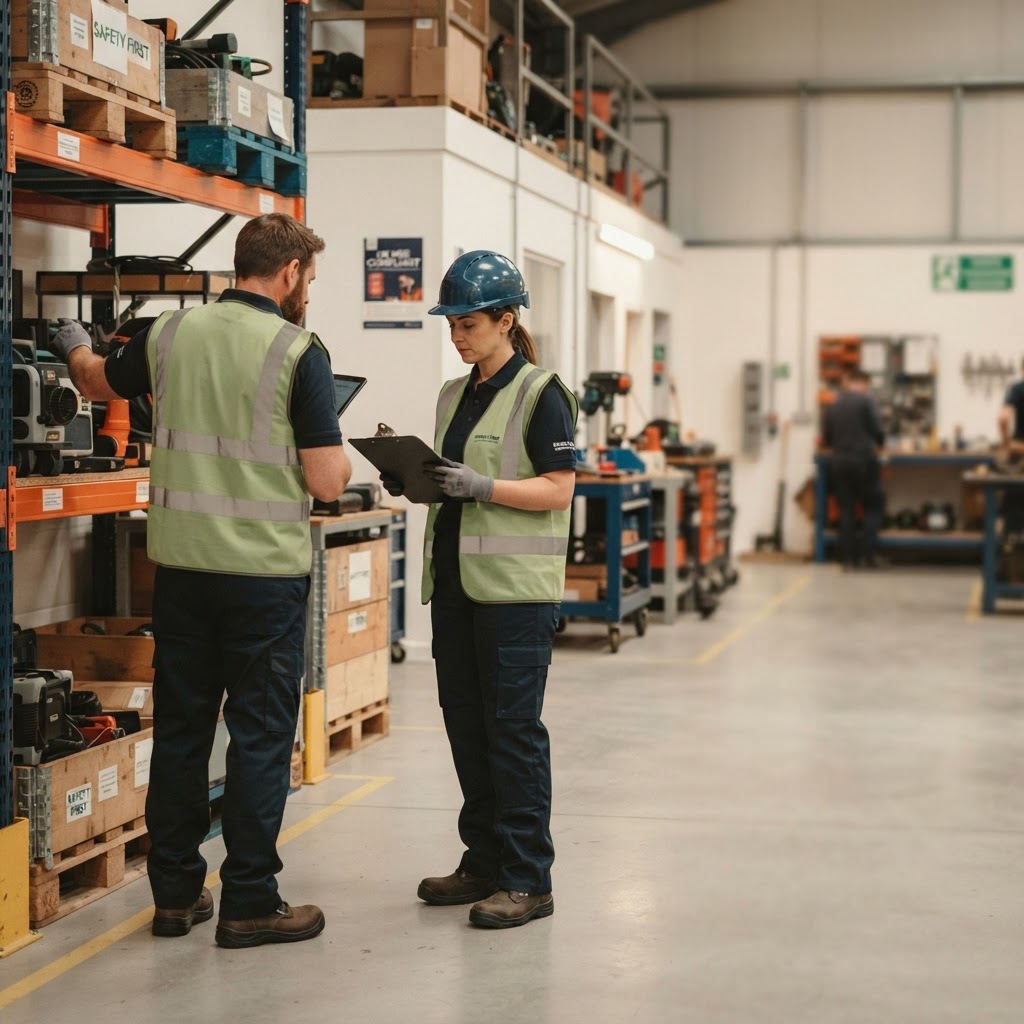
Manual handling is a critical skill that is often underestimated in many workplaces. Each day, employees lift, lower, push, pull, and carry items that can lead to serious injuries if not done correctly. In fact, according to the Health and Safety Executive (HSE), around one-third of all reported workplace injuries are due to manual handling. This blog will delve into the importance of safe manual handling, provide practical strategies for reducing risk, and encourage your organization to prioritize comprehensive training.
Understanding Manual Handling Risks
Before we delve into solutions, it is crucial to understand the risks associated with manual handling tasks. Common injuries include:
- Muscle strains and sprains
- Back injuries
- Joint injuries
- Soft tissue injuries
Effective Manual Handling Techniques
Implementing proper manual handling techniques can significantly reduce the risk of injury. Here are some fundamental practices:
- Assess the Load: Before lifting, evaluate the weight, size, and shape of the object. If it appears too heavy or awkward, consider asking for help or using mechanical aids.
- Plan Your Route: Ensure the pathway is clear of obstacles. It’s essential to avoid sudden movements and ensure stable footing.
- Adopt the Correct Posture: When lifting, stand with your feet shoulder-width apart, bend your knees, and keep your back straight. Use your legs to do the lifting rather than your back.
- Keep the Load Close: Hold the load as close to your body as possible, which minimizes strain on your back and arms.
The Role of Training in Manual Handling Safety
Training plays a pivotal role in mitigating manual handling risks. Regular and comprehensive training helps workers understand the principles of safe manual handling, including:
- Proper lifting techniques
- How to assess the risk of manual handling tasks
- Ergonomic practices
Creating a Culture of Safety
It’s not enough to rely solely on training; organizations must foster a culture of safety. Here are some actionable steps:
- Encourage Open Communication: Employees should feel comfortable reporting unsafe conditions or practices without fear of retribution.
- Regular Assessments: Conduct regular assessments of manual handling practices and revise policies and training as necessary based on findings.
- Recognize and Reward: Acknowledge safe practices among staff to promote a positive safety culture.
Conclusion: Take Action Today
In conclusion, manual handling can pose significant risks in the workplace if not approached with care and knowledge. By implementing proper techniques, investing in regular training, and fostering a culture of safety, you can protect your workforce from injury while improving productivity. Don't wait for an injury to occur—take proactive steps today to enhance your workplace safety.
If you’re ready to prioritize safety and train your employees on effective manual handling techniques, contact us today to learn more about our comprehensive training programs. Let's work together to create a safer work environment!