Weekly Legislation & Compliance Update: 18 August 2026
Hi everyone, Mark here from the desk in Boroughbridge. It’s been a busy couple of weeks in the world of health and safety, and not always for the reasons you’d expect. While the big six-figure fines usually grab the headlines, there’s a case from last week that I think every small business owner and manager in Yorkshire needs to pay attention to. It’s about a ladder, a loft, and a fine that could have been avoided with about twenty minutes of basic training.
The £6,000 Stepladder Wake-Up Call
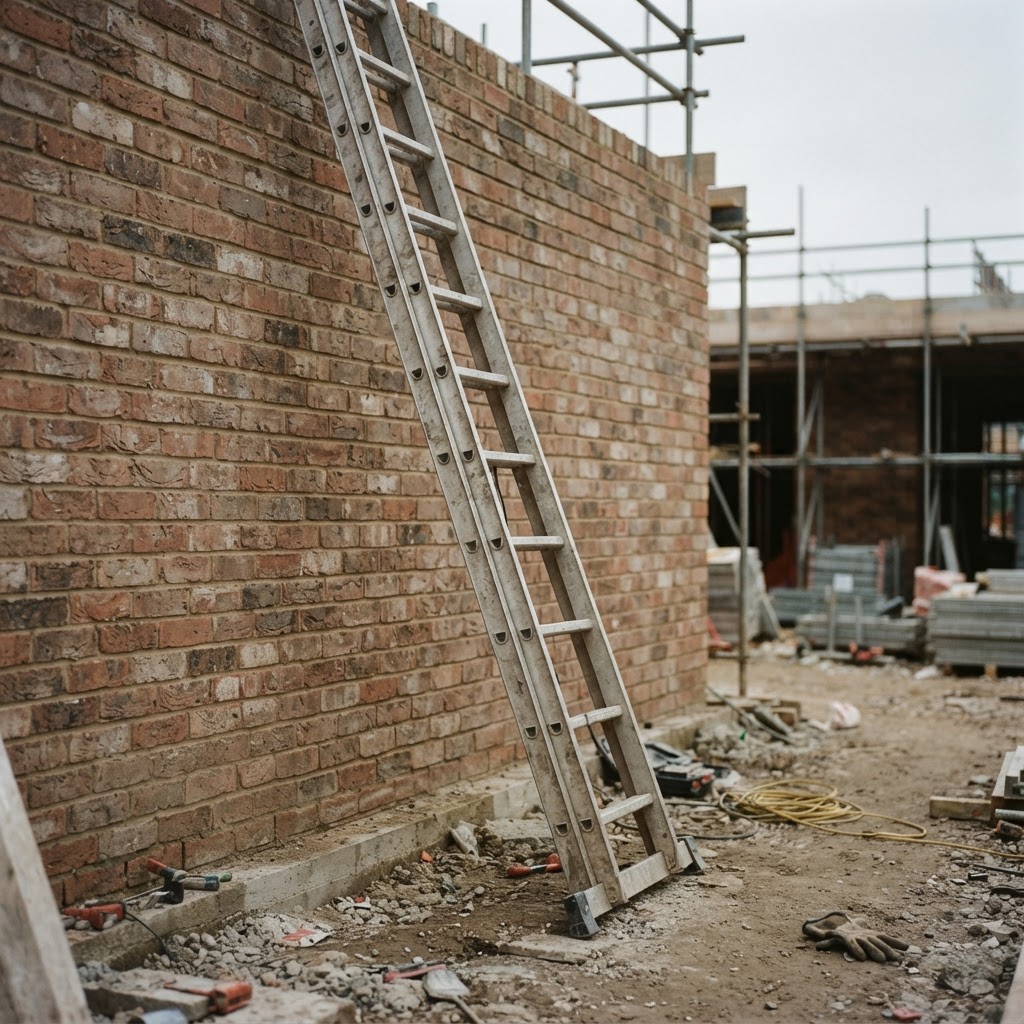
On the 11th of August, Wirral Council was fined £6,000 (plus £4,000 in costs) after an employee fell from a stepladder while trying to get into a loft space at the Dale Farm site in Heswall. The worker ended up with broken ribs and a fractured collarbone. Now, £6,000 might not sound like a business-ending amount to a large organization, but the HSE prosecution revealed something much more damaging: the ladders were stored outside, they were in poor condition, and—crucially—the staff hadn't been trained on how to check if a ladder was safe to use.
This is a classic breach of Section 2(1) of the Health and Safety at Work etc. Act 1974. It’s not just about having the right gear; it’s about making sure your people know how to spot when that gear has become a liability. If you’ve got ladders leaning against a wall in the yard right now, you’re looking at a potential incident. The Work at Height Regulations 2005 don't just apply to scaffolders; they apply to anyone using a step-stool to reach a high shelf or a loft. It’s the routine, 'five-minute' jobs that usually catch people out.
"This worker suffered painful and life-changing injuries in a fall that could have been prevented... ladders were not being systematically inspected to ensure they were safe." – HSE Inspector Mike Lisle
A Landmark Move Against Occupational Health Providers
We’ve also seen something unprecedented this month. For the first time ever, the HSE issued a Prohibition Notice against an actual occupational health service provider. Usually, the regulator goes after the employer, but they’ve sent a massive signal here: if your health surveillance (the checks you do for things like COSHH compliance, respiratory hazards, or noise exposure) is substandard, the provider is now in the crosshairs too.
The HSE stated that "inadequate health surveillance" was putting workers at risk of serious and irreversible harm. This matters to you because you can’t just "outsource" your responsibility and forget about it. If you’re paying for health surveillance to protect workers from hazardous dust or loud machinery, you need to be sure that the provider is actually competent and has robust clinical governance in place. If they aren't catching the early signs of occupational asthma or hearing loss, the HSE is now proving they will step in and stop the provider from operating. It’s a significant milestone in how the regulator views the whole safety ecosystem in 2026.
What You Should Do This Week
I’m not here to scare you; I’m here to make sure you’re doing the right thing by your team. Here are three things I’d suggest you look at before Friday:
- Check your access equipment → Walk around your site. If you find a ladder with a bent rung, a missing rubber foot, or one that’s been left out in the rain for six months, tag it "Do Not Use" and get it replaced immediately.
- Review your training records → Do your staff actually know how to perform a "pre-use check"? It takes two minutes to show someone what to look for, but if it’s not documented, as far as the HSE is concerned, it never happened.
- Question your "experts" → If you use an external company for health surveillance or safety audits, ask them for their clinical governance or professional accreditation details. Don't just take a certificate at face value; ensure they are competent to protect your workers.
How We Can Help
Since 2009, we’ve been helping businesses across North Yorkshire and the wider UK stay on the right side of these regulations. At Livius Training, we don't just tick boxes. Whether it’s First Aid at Work, COSHH, or Manual Handling, we focus on the real-world skills that keep your people out of the hospital and your business out of court. We’re based right here in Boroughbridge, and we’re always happy to have a proper chat about what your specific team needs to stay compliant.
If you’re worried that your risk assessments are gathering dust or your staff training has lapsed, don’t wait for an inspector to point it out. Give us a shout or take a look at our upcoming accredited courses. Let’s get it sorted before it becomes a problem. Stay safe out there.
Mark