Weekly Compliance Update: Why the HSE's Latest Mental Health Prosecution Matters for Your Business
I’m writing this from my desk in Boroughbridge after a long morning of training sessions. Usually, when I talk about the HSE, we’re discussing physical hazards—missing guards on machinery, wobbly scaffolding, or chemical spills. But last week, something happened that every director and manager in the UK needs to pay attention to. It’s a shift in the wind that I’ve been warning our clients about for a couple of years now.
On July 28, 2026, a mid-sized logistics firm in the Midlands was fined £180,000 plus costs. This wasn't because someone fell off a ladder or got trapped in a conveyor belt. The HSE prosecuted them under the Health and Safety at Work etc. Act 1974 specifically for failing to manage psychosocial risks. In plain English: they ignored work-related stress until it caused a collective breakdown in their safety culture, leading to a series of avoidable physical near-misses and a complete collapse in employee wellbeing.
The Shift from 'Soft' to 'Safety Critical'
For a long time, mental health was seen by some as a 'soft' issue—something for HR to handle with a few posters in the breakroom. Those days are gone. The HSE is increasingly treating mental health with the same rigor as asbestos or electrical safety. If you aren't assessing the risk of stress, you aren't compliant. It’s that simple.
The prosecution highlighted that the firm failed to follow the Management of Health and Safety at Work Regulations 1999, which requires every employer to carry out a suitable and sufficient assessment of all risks to the health and safety of their employees. The HSE’s Talking Toolkit and their Stress Management Standards aren't just 'nice to have' guidelines anymore; they are the benchmark by which you will be judged if things go wrong.
What This Means for You This Week
If you're running a business here in Yorkshire or anywhere across the UK, you can't afford to wait for a whistleblower or a site visit to look at this. When people are burnt out or under excessive pressure, they make mistakes. They forget to lock out a machine. They drive forklifts too fast. They ignore the very safety training I spend my days delivering. Mental health isn't just about feeling good; it’s about the cognitive capacity to work safely.
“A stressed worker is a distracted worker. A distracted worker is a danger to themselves and their colleagues. You cannot have a safe site without a healthy mind.”
I’ve seen this first-hand. When I visit sites where the management is approachable and the pressure is managed, the safety equipment is worn, the floors are clear, and the RIDDOR reports are non-existent. When the culture is toxic, the physical hazards multiply.
Practical Steps to Take Right Now
I’m not a fan of complicated paperwork for the sake of it. You need actions that actually work. Here are three things you should do this week to ensure you're on the right side of the law and looking after your people:
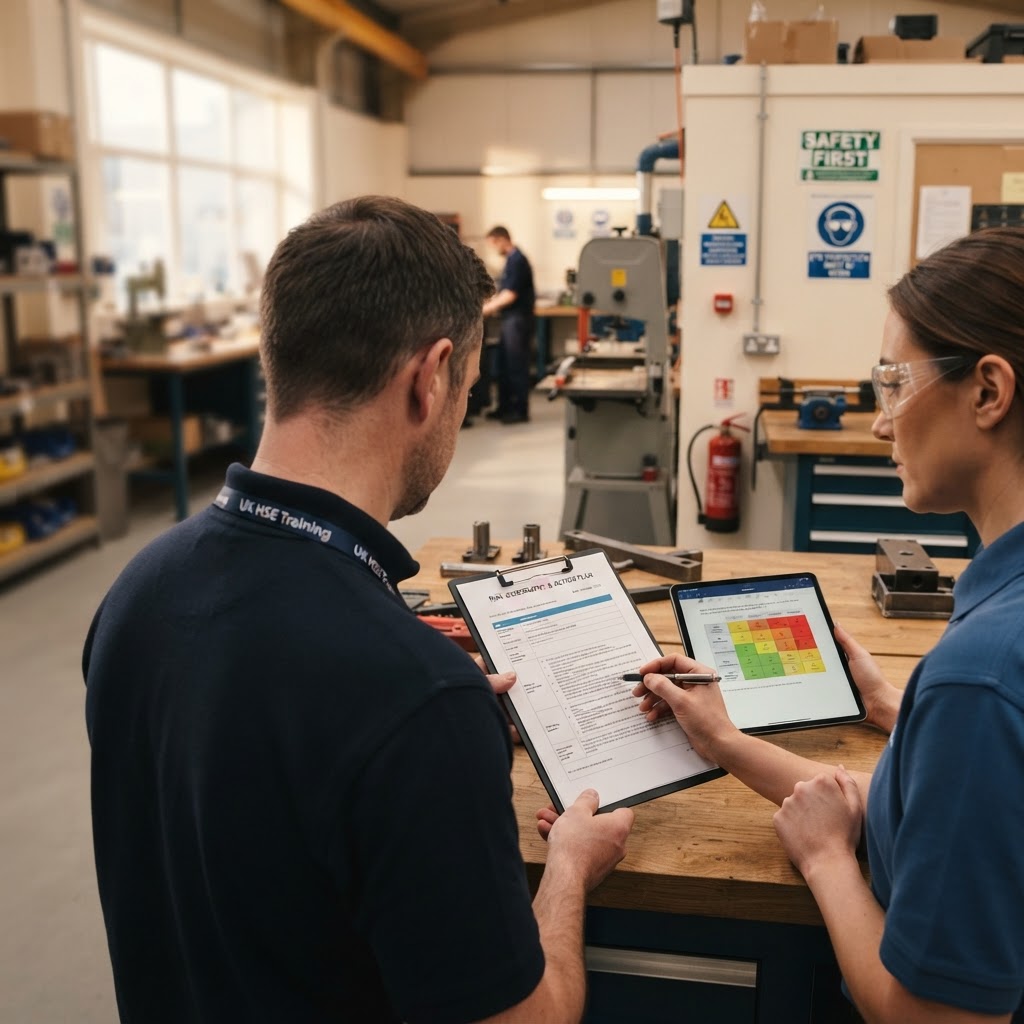
- → Update your Risk Assessments: Go back to your general risk assessments and ensure there is a specific section on psychosocial hazards. Don't just tick a box; look at workloads, support systems, and how change is managed within the team.
- → Train your Line Managers: Your supervisors are your front line. If they don't know how to spot the signs of stress or how to have a difficult conversation, your policy is just paper. Give them the tools to intervene early.
- → Use the HSE Stress Management Standards: Download the workbook and actually talk to your staff. The HSE loves to see 'employee engagement.' If you can show you’ve consulted your team about their pressure points, you’re miles ahead of the competition.
How Livius Training Can Help
Since 2009, we’ve been helping businesses across Boroughbridge, North Yorkshire, and the wider UK keep their people safe. We don't just teach you how to put on a bandage or handle a fire extinguisher; we help you build a culture where safety is a genuine priority. We offer accredited courses that cover everything from Mental Health First Aid to IOSH Managing Safely, all designed to keep you compliant and your team protected.
Staying compliant shouldn't be a headache. It’s just about doing the right thing by the people who work for you. If you’re worried that your current risk assessments aren’t covering these newer HSE focus areas, or if you just want a bit of straight-talking advice, give us a shout. We’re here to help you get it right without the corporate jargon.
Stay safe out there.
Mark.
Want to make sure your managers are prepared? Contact Livius Training today to discuss our upcoming accredited safety management courses or to book an on-site consultation.