Why Safety is Your Best Business Strategy
Imagine a workplace where every employee arrives with the goal of returning home exactly as they left—healthy, energized, and injury-free. Safety is often viewed as a regulatory hurdle, but the most successful organizations recognize it as a strategic pillar of operational excellence. According to the National Safety Council, a worker is injured on the job every seven seconds, costing companies billions in lost productivity, medical expenses, and legal liabilities. However, the true cost goes beyond the balance sheet; it impacts morale, retention, and your company’s reputation. When you prioritize safety, you are not just preventing accidents; you are signaling to your team that they are your most valuable asset.
The Core Pillars of a Proactive Safety Culture
Creating a truly safe environment requires shifting from a reactive mindset—responding to incidents—to a proactive culture where hazards are identified and mitigated before they cause harm.
1. Empowering Employee Engagement
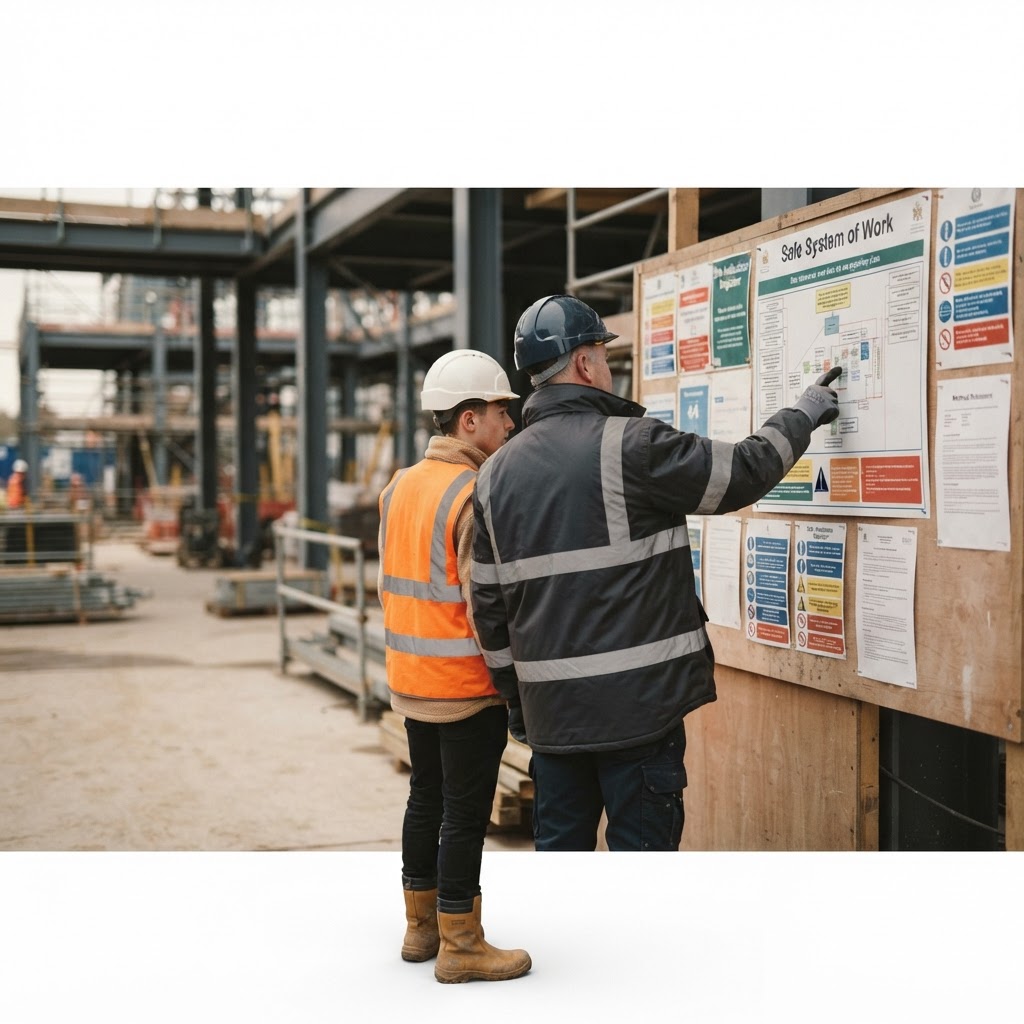
Safety shouldn't be top-down; it should be integrated into every conversation. Encourage 'near-miss' reporting, where employees can flag hazards without fear of reprisal. When a warehouse worker points out a frayed cable or a blocked fire exit, celebrate that observation. It prevents a potential catastrophe.
2. Consistent and Targeted Training
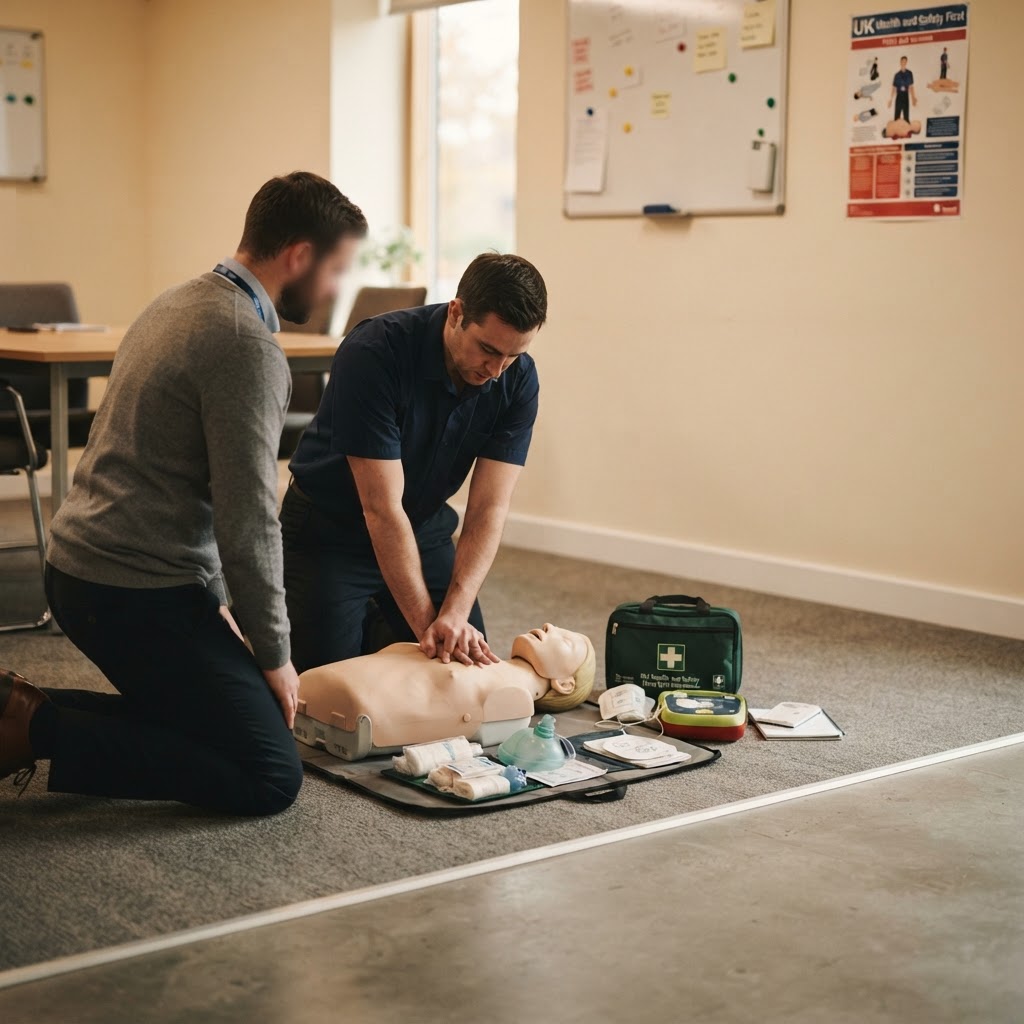
One-size-fits-all training is rarely effective. Safety education must be relevant to the specific risks of your industry. Whether it is ergonomics for desk-based teams or heavy machinery certification for industrial workers, training should be ongoing. Regular refresher courses ensure that safety protocols remain top-of-mind, preventing the complacency that often sets in over time.
3. Leveraging Ergonomics and Technology
Modern safety isn't just about hard hats and steel-toed boots. It involves rethinking the physical demands of a role. Small adjustments, such as adjustable standing desks, proper lifting techniques, or automated safety sensors on equipment, can significantly reduce musculoskeletal injuries and acute accidents. Using technology to monitor environmental hazards ensures that your team is protected even when supervisors are not physically present.
The Bottom-Line Impact of Safety Investments
The numbers speak for themselves. OSHA reports that for every dollar invested in safety, organizations see an average return of four to six dollars in reduced compensation costs, fewer litigation expenses, and improved productivity. A safe workplace is an efficient one; when employees feel secure, they focus on quality, precision, and collaboration rather than navigating hazards. Furthermore, potential clients and top-tier talent are increasingly evaluating companies based on their safety records. A commitment to safety is a powerful competitive advantage that demonstrates professionalism and ethical leadership.
Taking the Next Step: Your Commitment to Excellence
Safety is a journey, not a destination. It requires constant evaluation, open communication, and, most importantly, professional education. Are your teams equipped with the skills and mindset necessary to manage the risks of today’s dynamic workplace? Don't wait for an incident to occur before prioritizing your safety infrastructure. By investing in comprehensive, instructor-led training, you are taking a definitive step toward safeguarding your people and your future. Contact our expert team today to schedule a safety assessment and learn how our specialized training programs can help you build a safer, more resilient organization. Your team deserves the best—let’s work together to ensure they stay safe, every single day.