Is Manual Handling Training a Legal Requirement?
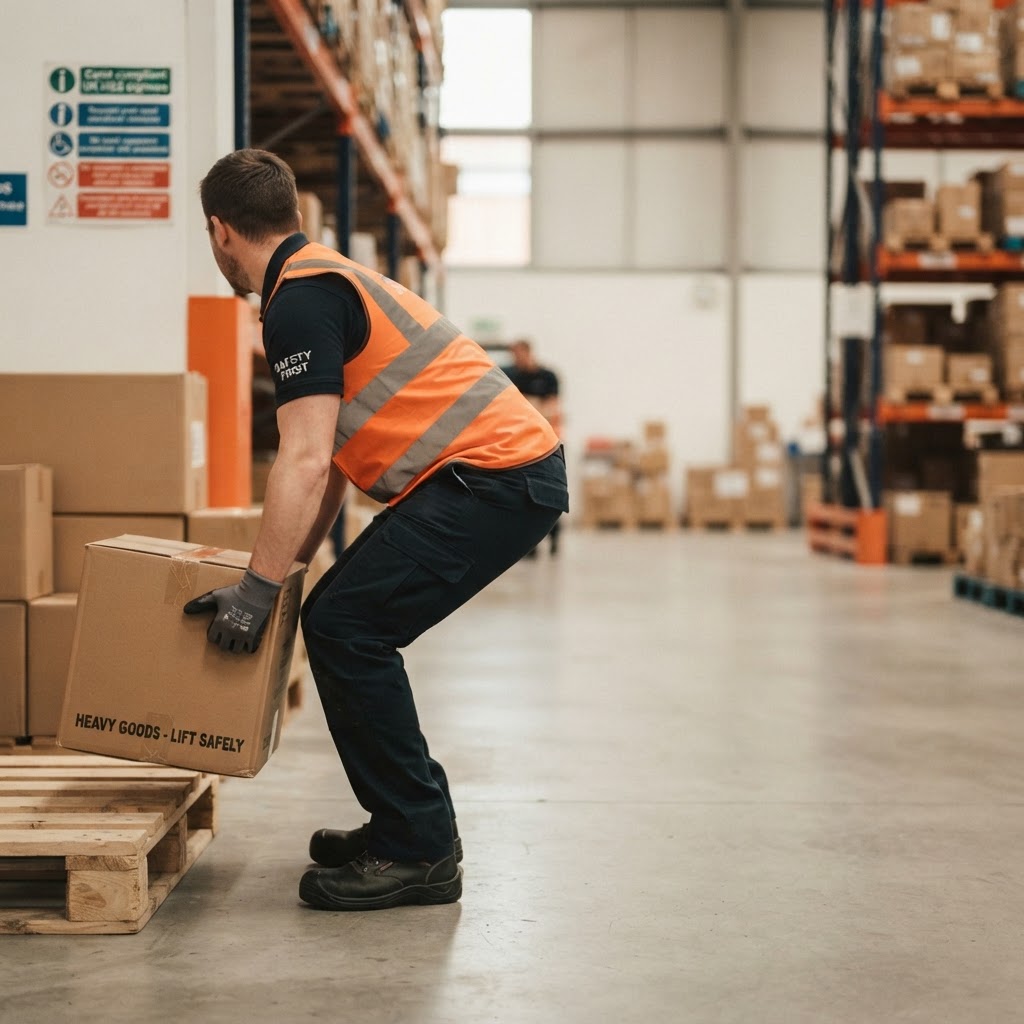
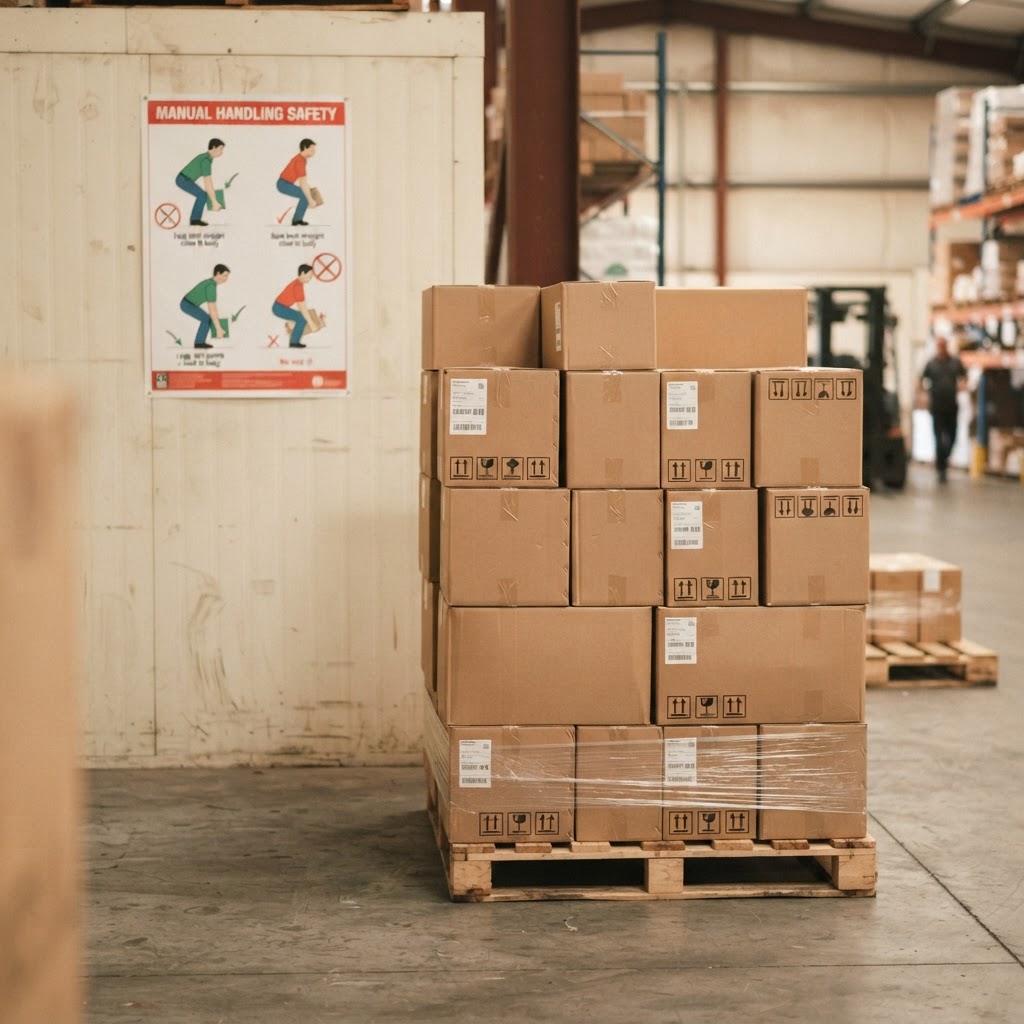
Yes. Under the Manual Handling Operations Regulations 1992 (MHOR), employers have a legal duty to provide information, instruction and training to employees who carry out manual handling tasks at work.
What Are the Employer Duties Under MHOR 1992?
The regulations require employers to follow a three-step hierarchy:
- Avoid — So far as reasonably practicable, avoid hazardous manual handling tasks through automation, mechanisation or redesign of the task
- Assess — For any unavoidable manual handling tasks, conduct a suitable and sufficient risk assessment
- Reduce — Reduce the risk of injury to the lowest level reasonably practicable, using training, mechanical aids and procedural changes
What Is the TILE Risk Assessment?
The HSE recommends the TILE framework for manual handling risk assessment:
- T — Task: Does the activity involve twisting, stooping, reaching, distance carrying, pushing/pulling or repetitive handling?
- I — Individual: Is the person physically capable? Consider strength, training, health conditions and pregnancy
- L — Load: Is the load heavy, bulky, unstable, sharp, hot/cold or difficult to grip?
- E — Environment: Are there space constraints, uneven floors, poor lighting, temperature issues or trip hazards?
Who Needs Manual Handling Training?
Any employee whose role involves lifting, carrying, pushing, pulling or moving loads must receive manual handling training. This includes:
- Construction workers
- Warehouse and logistics staff
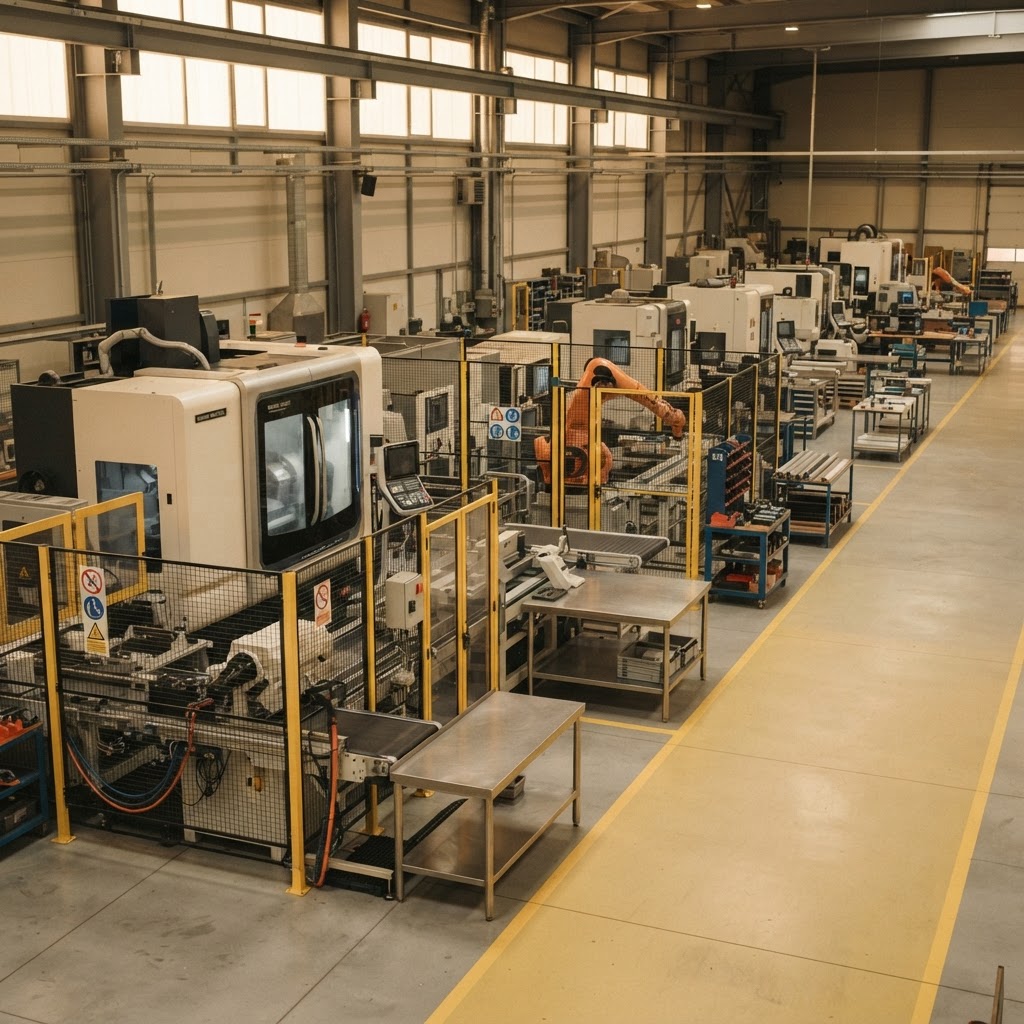
- Factory and manufacturing operatives
- Healthcare workers (moving and handling people)
- Retail staff
- Office workers (moving equipment, files, deliveries)
- Delivery drivers and couriers
Manual Handling Injury Statistics
Manual handling injuries account for over a third of all workplace injuries reported to the HSE. Musculoskeletal disorders (MSDs) caused by poor lifting technique cost UK businesses over £2 billion annually. The average absence per MSD injury is 8 days.
How Often Should Training Be Refreshed?
It is recommended that manual handling training is refreshed annually, or sooner if there are changes to tasks, equipment, personnel or workplace layout. Annual refreshers help maintain correct techniques and demonstrate ongoing compliance with MHOR 1992.
Book Manual Handling Training in Yorkshire
Livius Training provides accredited manual handling courses at our Boroughbridge centre or on-site across Yorkshire. We offer both awareness-level and Level 2 Award in Safe Moving and Handling (RQF) qualifications. View manual handling courses or call 01423 396780.