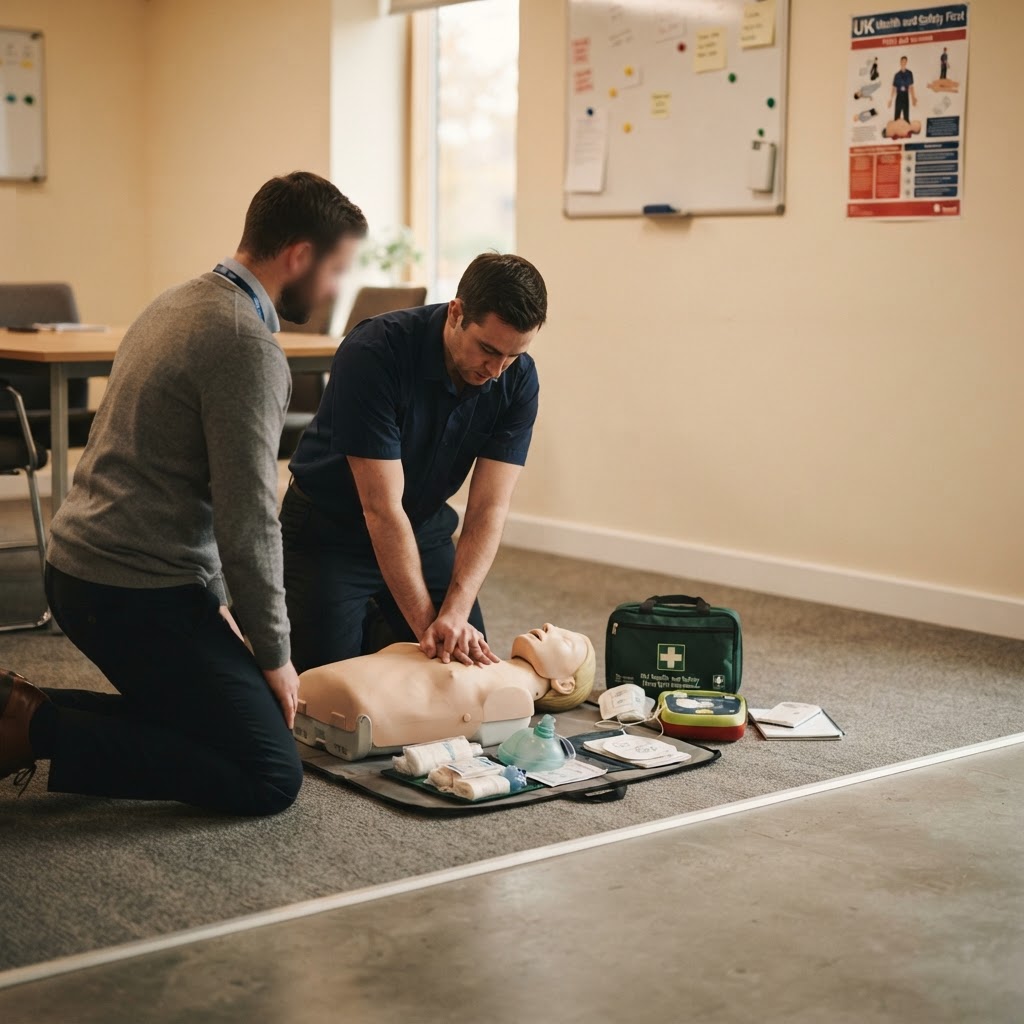
In today’s fast-paced world, emergencies can arise without warning, impacting lives and businesses alike. From natural disasters to workplace accidents, the way we respond in critical moments is crucial. Understanding how to respond effectively could mean the difference between chaos and order. In this blog post, we will explore essential strategies for emergency response, providing practical advice and emphasizing the importance of preparedness.
The Importance of Emergency Response Training
Emergency response is not just a set of actions; it is a mindset that can save lives. According to the Federal Emergency Management Agency (FEMA), approximately 50% of severe injuries and fatalities during emergencies could be prevented with proper preparation and training. Here’s why emergency response training is essential:
- Efficiency: Quick and informed action can minimize injury and damage.
- Confidence: Training helps build confidence among employees, ensuring they know how to act under pressure.
- Compliance: Many industries are legally required to provide emergency response training, making it a compliance issue as well.
Understanding Types of Emergencies
Before diving into effective response strategies, it is vital to understand the types of emergencies that can occur. These can generally be categorized into:
- Natural Disasters: Earthquakes, hurricanes, floods, and other weather-related incidents.
- Human-Made Emergencies: Industrial accidents, chemical spills, or acts of terrorism.
- Health Emergencies: Medical crises such as heart attacks, strokes, or infectious disease outbreaks.
Being aware of these categories helps in tailoring a specific emergency response plan suitable for your organization’s needs.
Developing an Emergency Response Plan
An effective emergency response plan serves as a blueprint for action during a crisis. Here are key components to consider when developing your plan:
- Risk Assessment: Identify potential emergencies specific to your location or industry. For example, a company in a flood-prone area should prioritize flood response protocols.
- Emergency Contacts: Compile a list of important contact numbers, including local emergency services, nearby hospitals, and relevant stakeholders.
- Evacuation Routes: Establish clear exit routes and ensure they are communicated to all employees. Conduct regular drills to familiarize everyone with these paths.
- Communication Plan: Determine how information will be relayed during an emergency. This can include text alerts, emails, or a designated communication officer.
For instance, during the 2020 pandemic, organizations that had robust emergency plans in place were quick to adapt, implementing health protocols and ensuring employee safety while maintaining business continuity.
Training and Drills: Bringing Your Plan to Life
Simply having an emergency response plan is not enough. Regular training and drills are essential to ensure the plan is effective. Here are some practical tips for conducting training:
- Regular Drills: Schedule regular training sessions and simulation drills for different types of emergencies. This can include fire drills, first aid training, and communication exercises.
- Engagement: Incorporate hands-on training techniques and real-life scenarios. Engaging employees in role-play can enhance retention and understanding.
- Feedback Loop: After each drill or training session, gather feedback to identify areas for improvement and adjust the emergency response plan accordingly.
According to a study by the National Fire Protection Association, practice drills improved overall response efficiency by over 25%. This jump in efficiency could mean quicker evacuations and potentially saving lives in real emergencies.
Call to Action: Get Trained, Stay Prepared
The impact of a well-executed emergency response can be profound. Don’t leave your organization’s safety to chance. Investing in comprehensive emergency response training not only protects lives but also enhances your organization’s resilience. Consider partnering with a professional training company that specializes in emergency preparedness. With the right training and resources, your team can master the skills needed to handle emergencies effectively and confidently.
Contact us today to learn more about our emergency response training programs and how we can help your organization prepare for the unexpected!