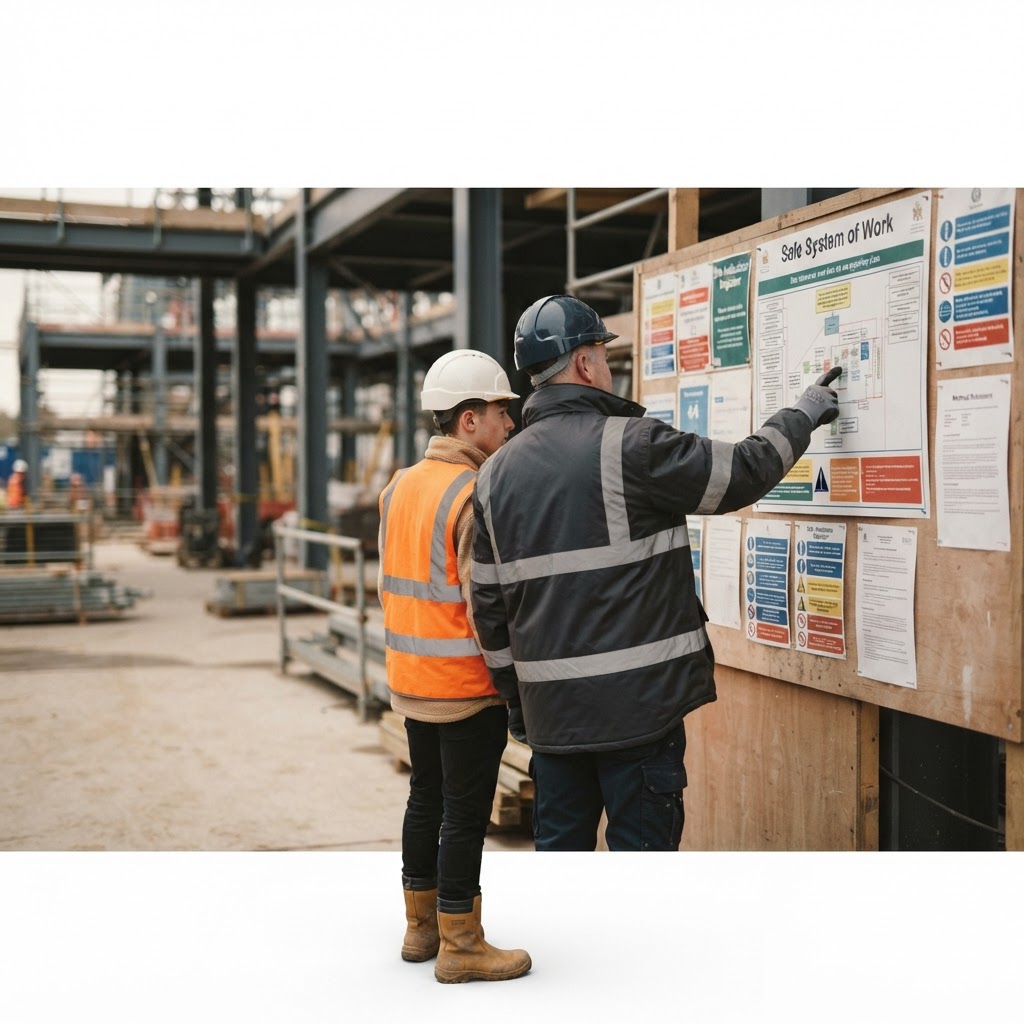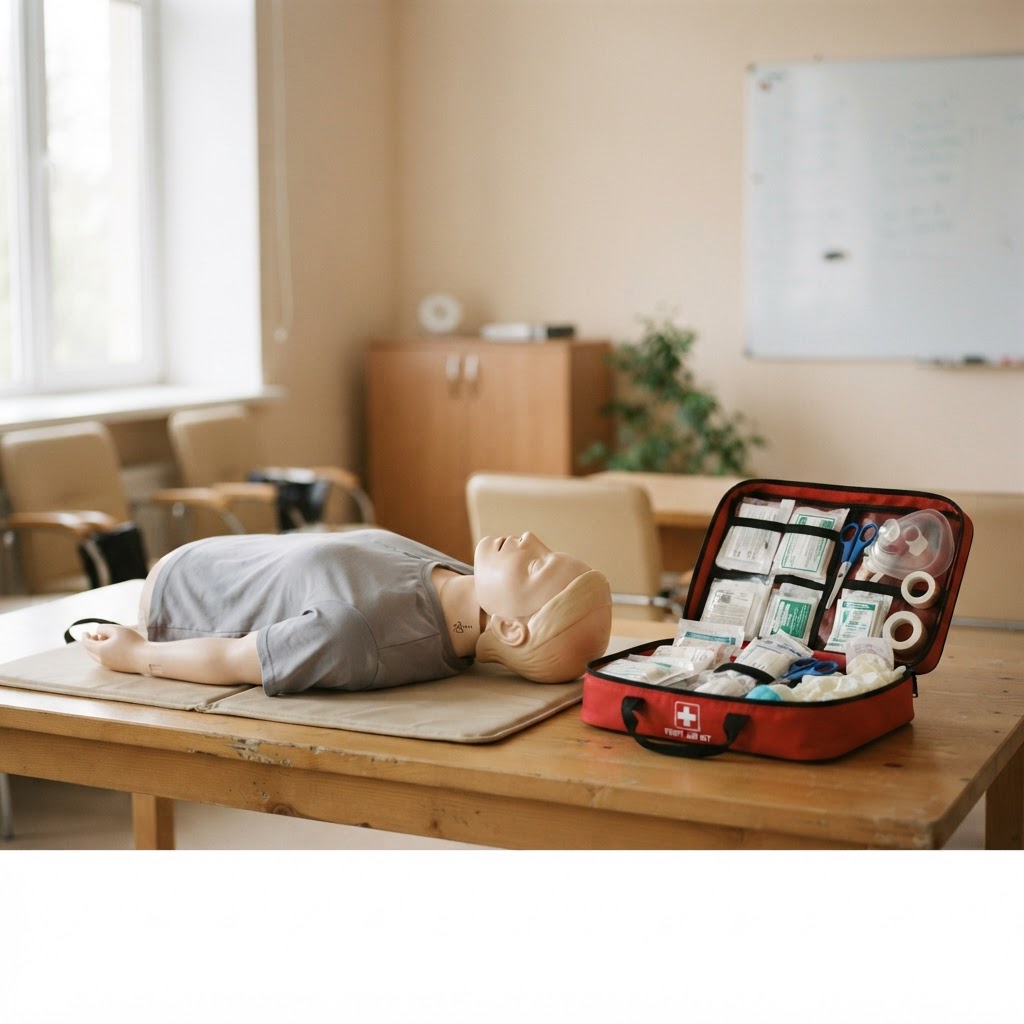
The Foundation of Workplace Safety
In the modern industrial landscape, risk assessment is frequently dismissed as a bureaucratic box-ticking exercise. However, for organizations that prioritize long-term sustainability and employee welfare, it serves as the essential blueprint for operational excellence. According to the International Labour Organization, more than 2.3 million workers die annually from occupational accidents or work-related diseases. Most of these incidents are entirely preventable through rigorous, proactive risk management.
Understanding the Core Process
Risk assessment is the systematic identification of potential hazards and the evaluation of the risks they pose. A hazard is anything that could cause harm, such as chemicals, electricity, or even poorly designed workstations. The risk is the likelihood that the hazard will actually cause harm. To get started, follow these four pillars:
- Identify the Hazards: Walk your floor. Speak to your team. Look for physical, ergonomic, chemical, and psychological stressors.
- Decide Who Might be Harmed: Consider not just full-time employees, but contractors, visitors, and members of the public who may be near your site.
- Evaluate Risks and Implement Controls: Use a hierarchy of controls. Can you eliminate the hazard entirely? If not, can you substitute it, or isolate the risk through engineering controls?
- Record and Review: A risk assessment is a living document. It must be updated whenever work processes change or new equipment is introduced.
Practical Tips for Effective Implementation
The most effective assessments are collaborative. Engage your frontline workers; they know the day-to-day realities of their tasks better than anyone in the C-suite. Use a simple 5x5 matrix to map the likelihood against the severity of potential incidents. This visual tool helps management prioritize which risks require immediate intervention and which can be managed through long-term strategy.
Real-World Example: Warehouse Safety
Consider a distribution center with high-traffic forklift lanes. A static assessment might simply suggest wearing high-visibility vests. A robust assessment, however, might lead to installing physical barriers between pedestrian walkways and vehicle paths, implementing a speed-governor program for fleet vehicles, and mandating sensor-based proximity alarms. By moving from personal protective equipment (PPE) to engineering controls, the risk is not just mitigated—it is fundamentally designed out of the system.
The Business Case for Safety
Beyond moral obligations, risk assessment is a smart business decision. Reduced downtime, lower insurance premiums, and improved employee retention are direct consequences of a safe work environment. When staff feel safe, engagement increases and productivity follows. Neglecting this duty can lead to catastrophic financial losses through litigation and damaged reputation.
Take the Next Step in Workplace Safety
Risk assessment is a skill that can be mastered, but it requires the right framework and professional guidance. Are you confident that your current procedures are protecting your team and your bottom line? Our expert-led safety training courses provide your management team with the tools to conduct thorough assessments and cultivate a culture of safety. Don't wait for an incident to occur to realize the value of a proactive safety strategy. Contact our team today to schedule your consultation and secure your workplace future.