It's 2:47 on a Tuesday afternoon. The alarms sound. Smoke curls from a maintenance room. In the next 90 seconds, your employees will either execute a calm, coordinated evacuation—or panic. The difference between those two outcomes isn't luck. It's preparation.
Emergency response is the discipline that bridges the gap between an unexpected crisis and a可控 outcome. And in a world where workplace emergencies cost businesses billions annually and—more importantly—put lives at risk, readiness is no longer optional. It's a moral, legal, and operational imperative.
In this post, we'll explore what effective emergency response looks like, why it matters now more than ever, and how your organization can build genuine readiness—not just checkbox compliance.
Why Emergency Response Training Is Non-Negotiable
Consider the numbers. According to the U.S. Bureau of Labor Statistics, thousands of workplace fatalities occur each year, with many linked to fires, chemical exposures, natural disasters, and acts of violence. The National Safety Council reports that a worker is injured on the job every seven seconds. And FEMA estimates that 40-60% of small businesses never reopen after a major disaster.
Behind every statistic is a human story—a coworker, a parent, a friend. Effective emergency response training exists to rewrite those outcomes.
But here's the critical insight: readiness isn't just about having a plan on paper. Research from the Occupational Safety and Health Administration (OSHA) consistently shows that organizations with well-practiced emergency response plans experience significantly fewer injuries and fatalities during actual emergencies. Practice is the multiplier.
Four Pillars of Effective Emergency Response
1. Know Your Hazards Before They Know You
Every workplace has a unique risk profile. A manufacturing facility faces different threats than a corporate office, a hospital, or a school. Effective emergency response starts with a comprehensive hazard vulnerability assessment.
- Identify site-specific risks: Fire, chemical spills, severe weather, medical emergencies, active threats, power outages, and structural failures should all be evaluated.
- Map your vulnerabilities: Which areas are hardest to evacuate? Which processes pose the highest risk? Where are your hazardous materials stored?
- Prioritize by likelihood and impact: Not every risk deserves equal attention. Focus your resources where they matter most.
For example, a food processing plant in the Midwest discovered during a hazard assessment that its ammonia refrigeration system—while compliant—posed a far greater risk to neighboring work areas than previously understood. The finding triggered a redesign of evacuation routes that later proved critical during a real leak incident. No injuries occurred. That's the power of proactive assessment.
2. Build Plans That People Actually Understand
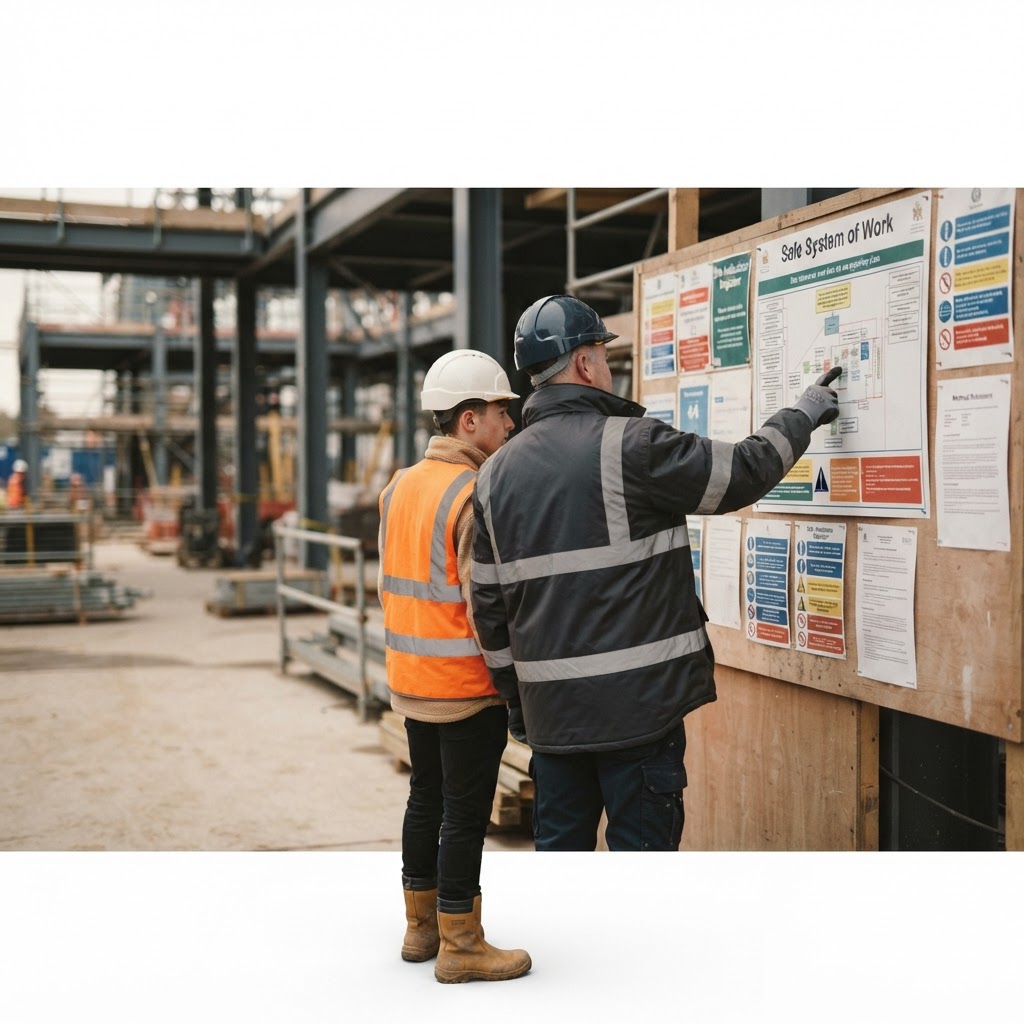
The best emergency response plan is worthless if no one can follow it under stress. Yet many organizations bury their procedures in dense binders that gather dust.
Practical advice for building usable plans:
- Keep it simple: Use clear, plain-language instructions. Avoid jargon.
- Visualize the flow: Flowcharts and maps are more memorable than paragraphs.
- Define roles explicitly: Who calls 911? Who sweeps the floor? Who accounts for personnel at the assembly point? Ambiguity kills in a crisis.
- Account for everyone: Include provisions for individuals with disabilities, visitors, contractors, and non-English speakers.
A mid-sized tech company learned this lesson the hard way when a fire drill revealed that their assembly point—a parking lot across a busy street—created a new hazard as 200 employees crossed traffic simultaneously. The plan was updated within a week.
3. Train Like It's Real
Reading about emergencies builds awareness. Experiencing simulated emergencies builds capability. The gap between the two is where lives are saved or lost.
Effective training should include:
- Regular drills: OSHA recommends at least annual evacuation drills, but quarterly is better for high-risk environments.
- Tabletop exercises: These scenario-based discussions help leadership teams practice decision-making without the pressure of a live simulation.
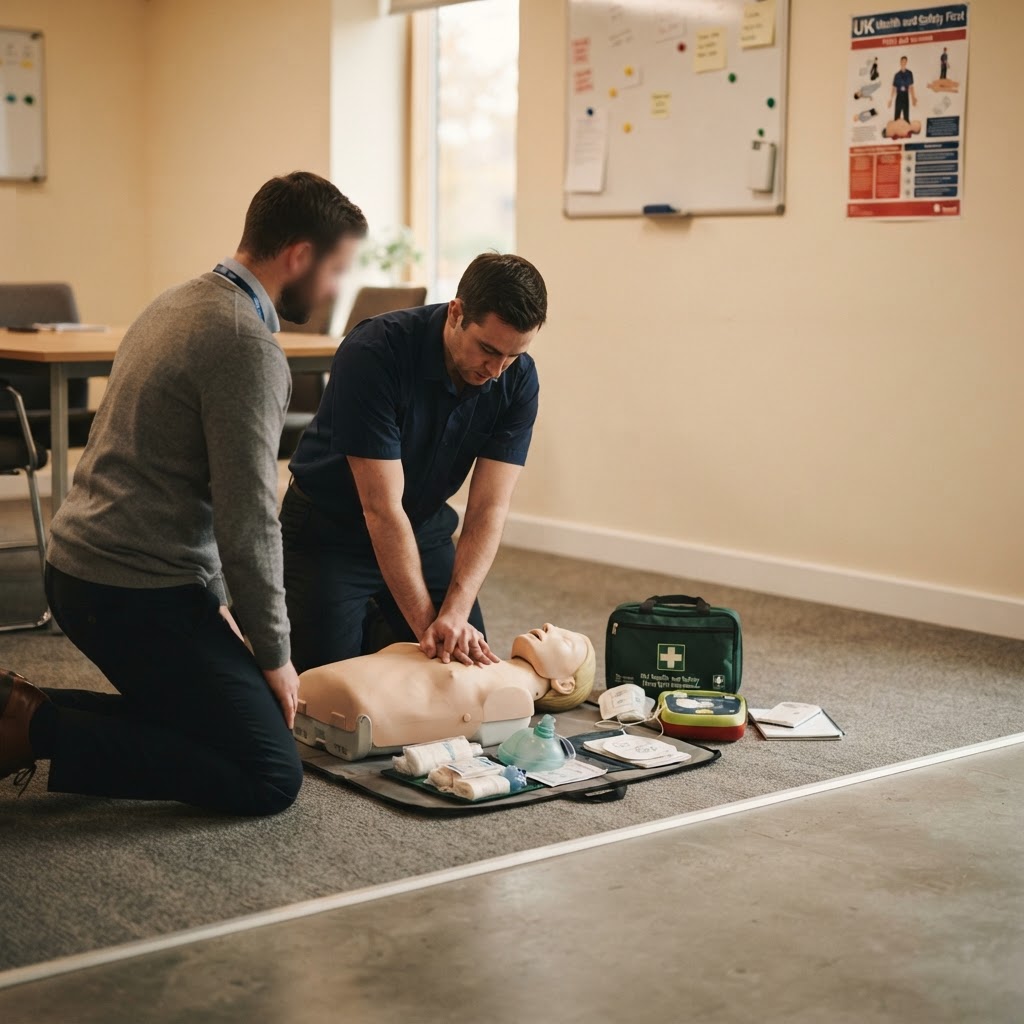
- First aid and CPR certification: The American Heart Association notes that immediate CPR can double or triple a cardiac arrest victim's chance of survival. Having trained responders on every shift is a game-changer.
- Cross-training: Don't rely on a single "safety champion." Build redundancy into your response capability.
One hospital system in the Pacific Northwest credits its robust active shooter training program—including realistic simulations with role-played casualties—for the calm, coordinated response that occurred during a real lockdown event in 2023. Staff knew exactly what to do because they had done it before.
4. Communicate When It Matters Most
In an emergency, communication is everything. Who needs to know what, when, and through which channel?
Key considerations:
- Multi-channel alerts: Don't rely on a single system. Combine alarms, text alerts, PA systems, and digital signage.
- Clear messaging: "Evacuate the building via the nearest exit. Proceed to the south parking lot." beats a vague "Emergency—stand by."
- External communication: Have a protocol for notifying emergency services, families, media, and regulatory agencies.
- Post-incident communication: The crisis doesn't end when the alarm stops. Keep people informed during recovery and conduct a thorough debrief.
The Cost of Complacency
Organizations that treat emergency response as a compliance exercise inevitably pay the price. Insurance claims, regulatory fines, reputational damage, and—most devastating—preventable injuries and deaths all stem from underinvestment in readiness.
The good news? Every drill, every updated map, every certified first aid responder compounds your organization's resilience. Emergency response isn't a sunk cost. It's an investment in your people, your continuity, and your future.
Take the Next Step Toward Readiness
Emergencies don't announce themselves. But your organization can be ready to answer. Whether you need a full hazard vulnerability assessment, customized emergency response plan development, hands-on training for your team, or comprehensive first aid and CPR certification, we're here to help.
Our expert trainers bring decades of real-world emergency response experience to your workplace—tailoring programs that fit your industry, your risks, and your people.
Don't wait for the alarm to sound. Contact us today to schedule a consultation and discover how prepared your organization truly is—and how to close the gaps before they matter.